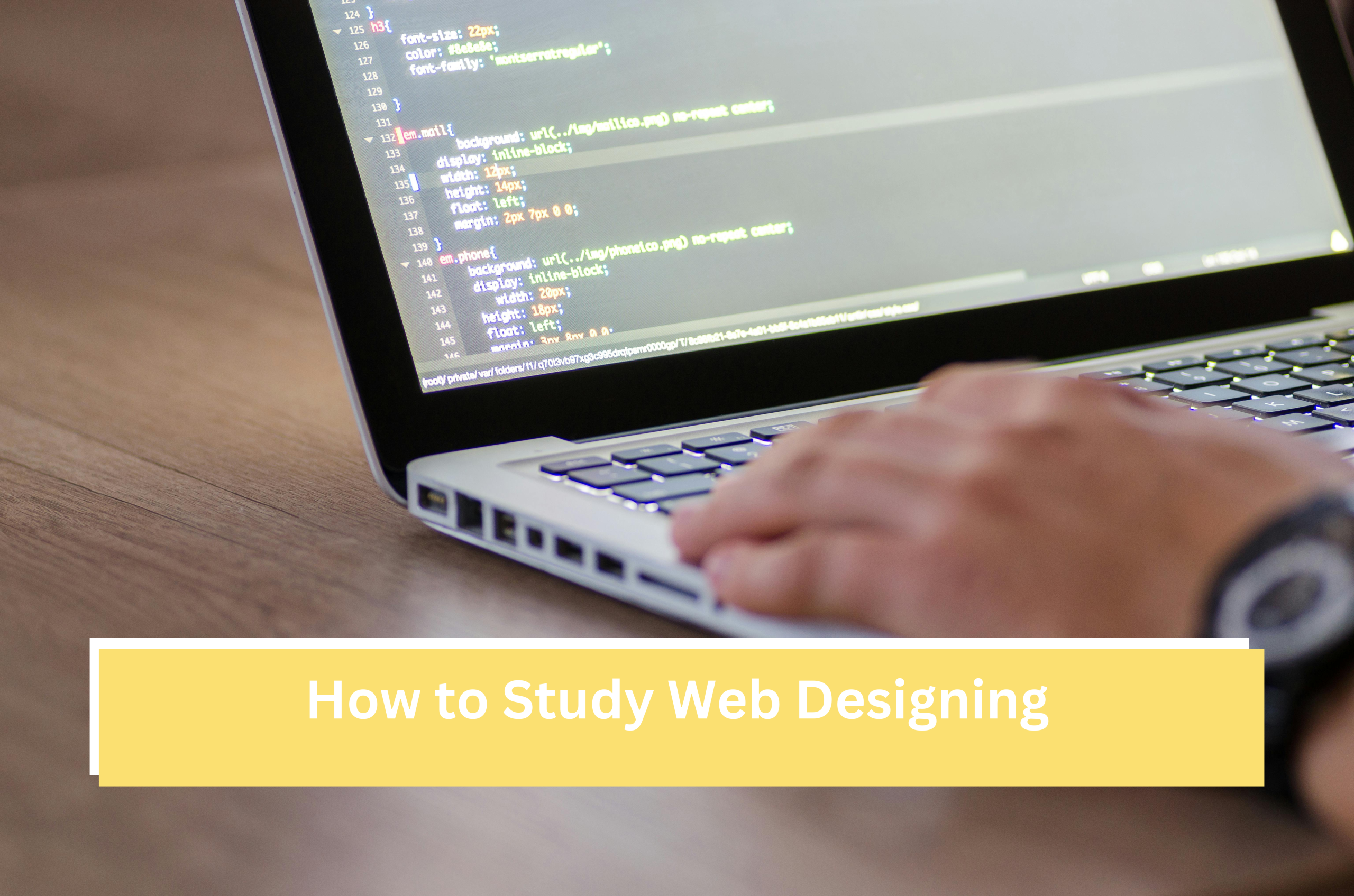
Web designing is a highly rewarding skill in today’s digital age, offering opportunities for creative expression, career growth, and freelance work. Whether your goal is to become a professional web designer or to build your own websites, learning web design requires a combination of technical skills, creativity, and practical experience.
To study web design, start by learning the fundamentals of HTML, CSS, and JavaScript, and develop an eye for visual design principles like color, typography, and layout. Then, build a portfolio by creating projects, and consider taking online courses or pursuing certifications to gain a structured learning path and formal credentials.
1. Learn the Foundational Skills
HTML
HTML (HyperText Markup Language) is the backbone of web pages. It defines the structure of a website by organizing content such as headings, paragraphs, images, and links. Beginners should focus on understanding how to structure pages logically, ensuring the website is readable and accessible.
CSS
CSS (Cascading Style Sheets) controls the styling of your web pages. With CSS, you can design layouts, choose color schemes, apply fonts, and add spacing to make your website visually appealing. Learning CSS is crucial for creating responsive designs that adapt to different screen sizes and devices.
JavaScript
JavaScript adds interactivity to your web pages. With JavaScript, you can implement features such as dropdown menus, sliders, form validation, animations, and dynamic content updates. Mastering JavaScript is essential for creating engaging, modern websites.
Design Principles
Web design is not just about coding—it’s also about aesthetics. Understanding visual hierarchy, color theory, typography, and layout design helps you create websites that are both functional and appealing. Study examples of successful websites and learn how to apply these principles effectively.
UX/UI Basics
User Experience (UX) and User Interface (UI) design are fundamental to creating user-friendly websites. UX focuses on usability, accessibility, and the overall experience of visitors, while UI focuses on the visual and interactive elements. Familiarity with UX/UI concepts ensures your designs are practical, intuitive, and engaging.
2. Gather Your Tools
To effectively study
web designing, you need the right tools.
Text Editor: Download a code editor like VS Code, which is beginner-friendly and supports a wide range of plugins and extensions.
Multiple Browsers: Keep browsers like Chrome, Firefox, and Safari installed to test your designs across different platforms, ensuring compatibility and consistent performance.
Graphics Tools: Software like Adobe Photoshop, Illustrator, or Figma is useful for creating mockups, graphics, and UI elements.
3. Gain Practical Experience
Build Projects
The best way to learn web designing is by doing. Start with small projects such as personal blogs, landing pages, or portfolio websites. Gradually take on more complex projects that challenge your coding and design skills. Hands-on practice helps reinforce concepts and develop problem-solving abilities.
Create a Portfolio
A portfolio is essential for showcasing your skills to potential employers or clients. Compile your best projects, highlighting both technical execution and design aesthetics. Tailor your portfolio for different job applications to emphasize the most relevant work.
4. Take Structured Courses and Get Certified
Structured learning can accelerate your web design journey by providing clear guidance and progression.
Online Platforms: Platforms like Coursera, Udemy, and Codecademy offer courses covering HTML, CSS, JavaScript, UX/UI, and advanced topics. Choose courses that include practical projects and assignments.
Certifications: Earning certifications, such as becoming an Adobe Certified Professional, demonstrates your expertise to employers and clients. Certifications can also improve your chances of landing higher-paying roles.
Work with a Platform: Simultaneously learn to work with platforms like WordPress, Wix, or Shopify. Practical experience with popular platforms complements coding skills and provides real-world context for your learning.
5. Develop Problem-Solving Skills
Web designing often involves troubleshooting issues and finding solutions independently.
Use Online Resources: Utilize search engines and forums like Stack Overflow to solve coding problems or design challenges. Learning to research and debug issues is an essential skill for any web designer.
Connect with Others: Join local meetups, online communities, and social media groups. Networking with other designers provides opportunities to collaborate, share knowledge, and gain feedback on your work.
6. Stay Updated and Keep Practicing
The web design industry is constantly evolving, with new frameworks, tools, and trends emerging regularly. Staying updated ensures your skills remain relevant. Follow design blogs, subscribe to newsletters, and participate in online communities to learn about modern techniques and best practices.
Practice consistently by building different types of websites, experimenting with new design trends, and trying innovative layouts or interactive features. This continuous practice strengthens your portfolio and enhances your overall skill set.
Additional Tips for Effective Learning
Set Goals: Create short-term and long-term learning goals to stay focused and motivated.
Break Down Concepts: Study one topic at a time, such as HTML first, then CSS, followed by JavaScript.
Seek Feedback: Share your work with mentors or peers to get constructive criticism and improve your designs.
Work on Real Clients: Even small freelance projects help you understand client requirements, deadlines, and professional standards.
Conclusion
Studying
web designing requires a combination of technical knowledge, creativity, and practical experience. By starting with foundational skills like HTML, CSS, and JavaScript, mastering design principles, and understanding UX/UI, you can build websites that are functional and visually appealing.
To study web design, start by learning the fundamentals of HTML, CSS, and JavaScript, and develop an eye for visual design principles like color, typography, and layout. Then, build a portfolio by creating projects, and consider taking online courses or pursuing certifications to gain a structured learning path and formal credentials.
Gather the right tools, gain hands-on experience through projects, and leverage structured courses and certifications to enhance your learning. Developing problem-solving skills and staying updated with industry trends ensures you are well-prepared for a career in web design. With dedication, practice, and continuous learning, you can become a skilled web designer capable of creating professional, engaging websites and building a successful career in this dynamic field.